Workplace Multitasking Can Slow Complex Work and Increase Interruptions
- Harsitha P
- 673 views
Research links frequent task switching with slower work and fragmented focus. Teams can reduce unnecessary interruptions by setting clearer priorities and communication norms.
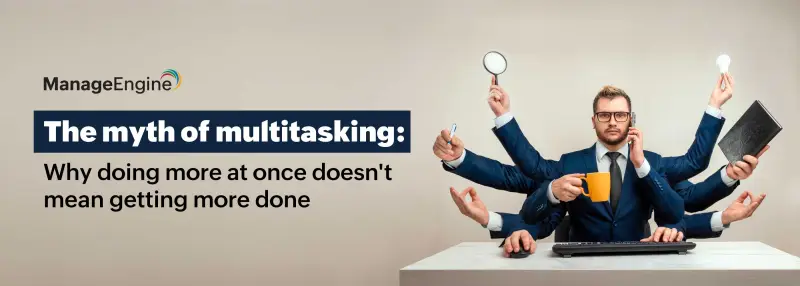
Constantly switching between messages, meetings and focused work can make a busy day feel productive while slowing the work that matters most. The practical issue for teams isn’t simply how many tasks they handle; it’s how often attention gets pulled away before a task is complete.
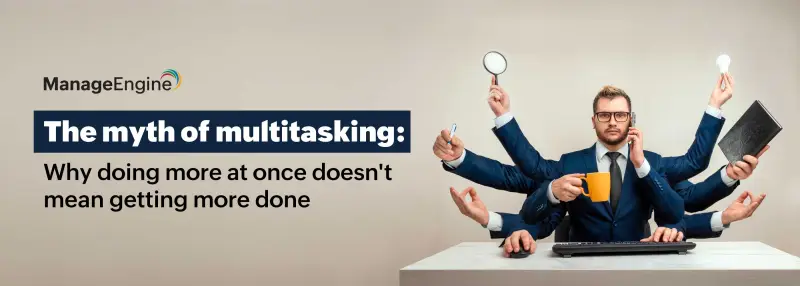
Most people don’t perform several demanding activities at the same time. They shift attention between them. Each switch requires the brain to disengage from one task, orient to another and later recover the earlier train of thought. That transition takes time, and repeated interruptions can disrupt concentration and raise the chance of mistakes.
Frequent interruptions carry a hidden cost
Digital communication tools make collaboration easier, but they also bring a steady stream of email, instant messages, project updates, video calls and dashboard alerts. A quick check may appear harmless. Repeated throughout the day, those checks break up longer stretches of attention.
Consider someone preparing an important presentation while replying to incoming email. After each reply, they must return to the presentation, recall where they stopped and rebuild their line of thought. Even brief switches can make complex work take longer when they happen again and again.
The American Psychological Association describes this slowdown as a task-switching cost. Its explanation points to a key distinction: predictable switches can also reduce speed compared with continuing the same activity. Having several responsibilities may be unavoidable; repeatedly alternating between them is what creates friction.
Research points to mixed effects and fragmented focus
A 2026 systematic review of 123 research articles, published in the European Review of Applied Psychology, found that workplace multitasking can have both positive and negative effects on how people think, feel and behave. The review also identified context, personality and personal resources as factors that shape those effects. That picture is more nuanced than treating every instance of multitasking as equally harmful.
A separate 2025 workplace study, Are Six Minutes of Focus Enough?, found that participants moved away from their primary task every 3.5 minutes on average. Nearly 60% of their off-task time involved interruptions they initiated themselves. That finding directs attention to more than incoming messages: workers may also interrupt their own concentration.
These results help explain why a packed schedule and a long list of completed small tasks don’t necessarily show that meaningful work is progressing. When attention is fragmented, it can be harder to sustain the effort complex assignments require.
Why the habit persists
Small tasks offer quick, visible rewards. Clearing email, attending a meeting or checking off an administrative item provides immediate evidence of activity. By comparison, spending a long period on a complex assignment may produce less visible progress until much later, even when it creates greater value.
Workplace expectations add pressure. When colleagues are expected to respond quickly, people may feel that staying available signals commitment and efficiency. Over time, fast replies can become a measure of responsiveness, even when they interrupt higher priority work.
That makes concentration partly a team issue. Individual workers can change notification habits, but communication norms determine whether they’re expected to monitor every channel continuously. Clear expectations about response times can reduce needless switching while preserving collaboration.
Changes teams can make
Most roles require people to manage multiple responsibilities and respond to unexpected requests. Eliminating task switching altogether isn’t realistic. Teams can still make room for focused work by reducing switches that don’t serve a clear purpose.
Set priorities and reserve time for them. Identify the responsibilities that matter most, then schedule dedicated time to work on them. This helps prevent every new message from displacing the task already underway.
Protect focus periods. Set aside blocks for concentrated work, mute nonessential notifications during those periods and avoid meetings that aren’t needed. The aim is to give demanding work a sustained stretch of attention.
Batch similar work. Rather than checking email every few minutes, reserve specific periods for messages, updates and administrative tasks. Grouping similar activities reduces the number of transitions between different kinds of work.
Review communication expectations. Leaders can ask whether every message needs an immediate response and whether a meeting is necessary for every discussion. Stating response expectations clearly can ease pressure to remain available at all times.
Track outcomes, not just activity. Email counts, meeting attendance and task lists show activity, but they don’t necessarily indicate the quality or value of completed work. Teams can pay more attention to progress on important objectives and the results people produce.
Make focused work part of the operating routine
More connectivity gives employees more ways to coordinate, but access to more tools doesn’t automatically improve the work. For IT managers and team leaders, the useful question is where constant responsiveness is interrupting work that needs sustained attention.
Clear priorities, grouped administrative tasks and agreed response times give teams a practical starting point. The aim isn’t to avoid every interruption; it’s to reserve enough uninterrupted time for work that benefits from a person’s full attention.


