Refurbished Enterprise Hardware Offers a Cost and Sustainability Option as AI Demand Rises
- Ana Martins
- 495 views
AI infrastructure demand is raising hardware costs. Refurbished systems can help businesses control spending, meet computing needs and extend asset life.
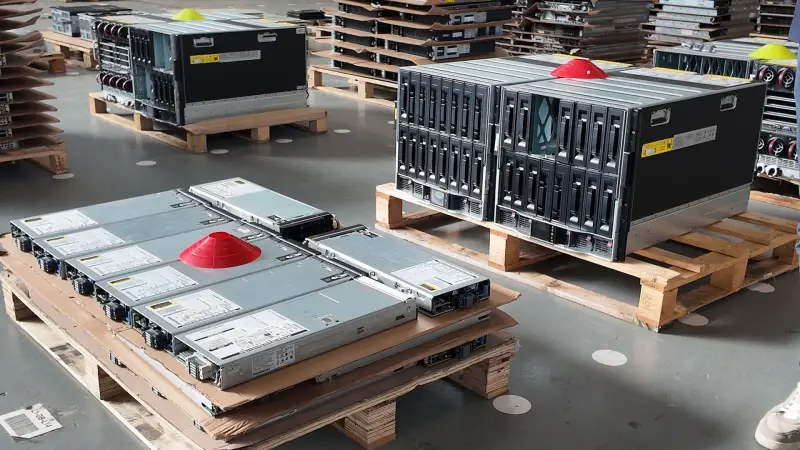
AI infrastructure demand is driving up prices for processors, memory and storage, putting pressure on businesses planning hardware upgrades. Refurbished equipment offers one way to meet computing needs while controlling costs and extending the useful life of existing technology.
The scale of the waste problem and the growth in IT spending make that choice increasingly relevant. The Global E-Waste Monitor 2024 says the world produced around 62 million tonnes of electronic waste in 2022, or about 7.8kg per person. Gartner projected worldwide IT spending would reach $6.37 trillion in 2026, with data centre systems growing 62.5% and infrastructure as a service (IaaS) growing 29.3%. That expansion is increasing demand for components across the market.
Not every organization needs the newest, highest-performance equipment. For businesses facing higher prices and budget pressure, refurbished systems may provide sufficient performance without the premium attached to new hardware. A 2024 Bitkom study found that 15% of surveyed companies already used refurbished technology, while another 15% would consider it. A further 61% said more companies should consider refurbished devices.
More use from existing equipment
HPE’s Matt Harris, senior vice president and managing director for UKIMEA, says AI is accelerating technology development, but that doesn’t prevent IT from operating in a more circular way. He argues that businesses now have a better understanding of technology life cycles, including how materials are sourced, how equipment is used and what happens when assets reach the end of their initial service life.
HPE estimates that its technology renewal centres have kept more than 8,400 tonnes of waste out of landfill. At its Erskine facility, operations manager Jackie Rafferty says the flow of equipment has stayed consistent: the centre receives around 8,000 to 9,000 assets each day and sells a similar number. He says monthly processing volumes have changed little over roughly 15 years.
That steady flow suggests refurbished equipment is an established part of the supply chain, rather than a short-term response to the latest price increases. It also gives IT teams another route to source systems when new components are expensive or difficult to obtain.
Matching hardware to the workload
Demand from hyperscalers and neocloud providers building AI infrastructure is competing for high-performance components. Harris says many organizations won’t need the fastest or densest infrastructure available. For those workloads, a refurbished system may offer a better fit between capability and cost.
Businesses can also keep equipment in service longer when replacement prices rise. Harris says HPE is considering customers, including businesses and public sector organizations, that are extending asset life as memory costs increase. The practical question for IT teams is whether a system’s performance, capacity and support arrangements still meet the needs of the workload. The source provides no specific guidance on which workloads or configurations are suitable, so organizations will need to assess that against their own requirements.
There may be a sustainability benefit as well. Reusing equipment can reduce demand for newly manufactured components and the associated supply chain emissions, which are included in Scope 3 emissions reporting. Upgrading existing hardware may also improve energy use, depending on the equipment and its role. Harris says customers are asking HPE for emissions information as they measure their own footprints.
Quality assurance and data handling
Trust is central to buying pre-owned enterprise equipment. Buyers need confidence that systems have been tested, work as expected and have been handled appropriately during renewal. At Erskine, HPE uses test infrastructure drawn from its manufacturing processes. Rafferty says the centre applies high quality standards and that pre-owned products can be in strong condition.
A server that has operated reliably for three years may still have substantial useful life, Rafferty says. That experience helps explain why a used system can remain a viable option, provided its condition and suitability are checked before purchase.
The centre’s 200 employees handle varied equipment, customer requirements and data cleaning tasks. The source says the workforce is Ministry of Defence-cleared to carry out data hygiene work. Rafferty describes the operation as difficult to automate because each asset and its requirements can differ. Harris likewise says the bespoke nature of the work makes full automation challenging.
What IT teams should weigh
Refurbished hardware won’t remove the need to invest in new infrastructure, particularly as AI expands demand for computing capacity. But it gives organizations another way to balance performance, price and equipment life. Before purchasing, teams should confirm that the system meets the workload’s requirements and that the seller’s testing and data handling processes provide the assurance their environment needs.
With component prices under pressure and more companies considering pre-owned technology, extending asset life is becoming a practical part of IT planning. The strongest case will be where refurbished equipment can meet the requirement at a lower cost while supporting the organization’s sustainability goals.


