Why Younger Audiences Are Choosing Vinyl, Paperbacks and Digital Cameras
- Nandana Ann Mathew
- 457 views
Vinyl, paperback sales and simple cameras are gaining appeal as younger people seek focused experiences and objects they can keep.
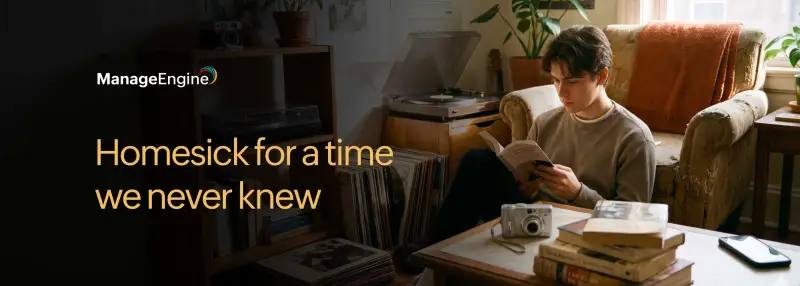
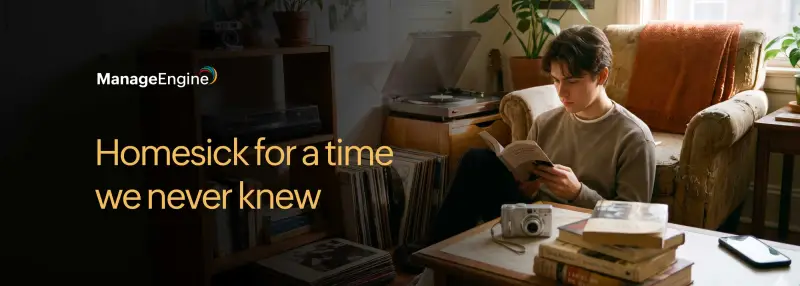
Technology has made music, books and photography easier to access. But convenience hasn’t ended the appeal of owning a record, reading a paperback or taking pictures with a dedicated camera. Younger people are choosing these older formats too, often as new experiences rather than reminders of their own childhoods.
The figures suggest more than a passing fondness for retro design. In the United States, vinyl sales reached $1.04 billion in 2025, passing the billion-dollar mark for the first time this century, according to the RIAA. Worldwide, vinyl revenue grew by 13.7% in 2025, its 19th consecutive year of growth, the IFPI’s Global Music Report 2026 found.
Print books also showed growth. The Association of American Publishers reported that US paperback revenue rose 10.4% in May 2026 compared with May 2025. Revenue was up 6.6% over the first five months of 2026.
A first encounter with the past
These formats can carry associations with earlier decades, but that doesn’t mean younger buyers are trying to recreate memories they actually have. A teenager picking up a point-and-shoot camera may be using one for the first time. A new record buyer may never have spent an afternoon listening to an album on vinyl.
Writer John Koenig coined the word “anemoia” in his Dictionary of Obscure Sorrows for nostalgia about a time someone never experienced. The feeling helps explain why an object from an earlier era can seem familiar even to someone who has no personal memories of using it.
Part of the attraction may be the slower, more contained experience people associate with older devices and media. A smartphone can take pictures, play music, display books, track location and deliver reminders. That range is useful, but it also puts messages, apps and alerts close at hand whenever someone picks it up.
A dedicated camera has a narrower role. A record player plays records; a paperback holds a book. Those limits can make it easier to stay with one activity. Taking a picture with a separate camera, for example, can mean fewer chances to stop and check messages or scroll through other apps. A physical book can keep reading separate from the notifications that appear on a phone or tablet.
That doesn’t make these formats automatically distraction-free. A camera can still be used for repeated retakes, and a record player won’t make someone listen attentively by itself. The difference is that the device’s main purpose is clearer. For people tired of shifting between tasks, a tool with fewer functions can make a focused session easier to choose.
Keeping the object matters
Physical media also offers a kind of ownership that a streaming library may not. A record or paperback sits on a shelf, can be arranged and displayed, and can be lent to someone. Its owner can return to it without opening an app or checking whether a service still carries it.
That distinction shapes how people relate to their collections. A streaming catalogue offers convenient access across a large range of titles, while a shelf makes a smaller selection visible and personal. The record someone chooses to play or the book left within reach can become part of a routine. The object itself adds a tactile step: choosing it, handling it and putting it away.
Physical formats ask for more space and care, and they don’t offer the instant access of a digital library. For some buyers, those trade-offs are part of the point; for others, convenience will remain more useful. The appeal depends on the task. Streaming works well for quick access to many recordings, while a record can make listening to one album feel like a deliberate activity.
Online discovery, offline habits
There’s an obvious irony in using screens to find ways to spend less time on them. People share their offline activities online, and BookTok has helped introduce readers to printed books. Social platforms can put a record player, camera or paperback in front of people who might not otherwise seek one out.
That doesn’t cancel out the appeal. Online discovery and offline use can serve different purposes: a post can suggest a book, while reading it takes place away from a screen. The more useful question for someone choosing a format is what kind of experience they want after they put the phone down.
The renewed interest in older technology looks less like a rejection of modern devices than a search for boundaries. People still benefit from phones and streaming services, but they may also want a camera that takes pictures, an album they can play from beginning to end, or a book that doesn’t compete with incoming messages. For IT teams and anyone who manages digital tools, the broader signal is familiar: access alone doesn’t guarantee a good experience. Sometimes the tool that does less makes it easier to pay attention to what matters.


