Claris Harbor Could Turn Apple Silicon Macs Into Private AI Servers
- Richard Rodriguez
- 687 views
Claris has opened a private preview of Harbor, which aims to run private AI on Apple Silicon Macs. Model support, performance and costs remain unclear.
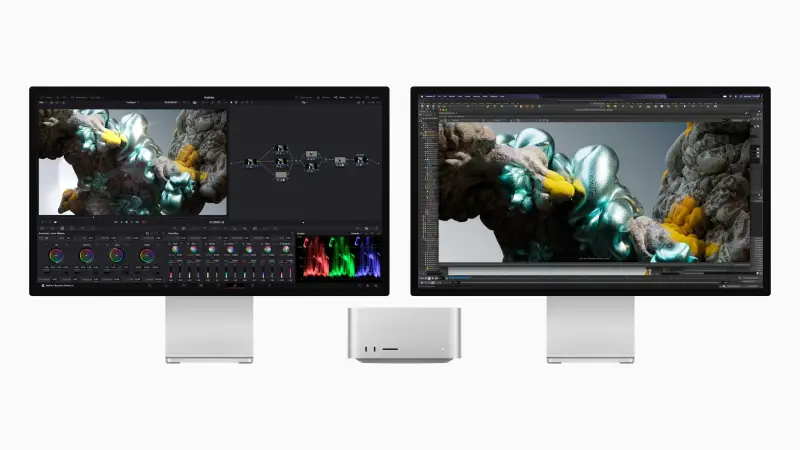
Claris Harbor could give Mac-heavy businesses a way to run AI on hardware they already control. The product is in private preview, and Claris has shared few technical details so far. Its central promise is that Apple Silicon Macs can serve as a private AI endpoint, keeping data and prompts on the physical Mac hardware.
For IT teams, that makes Harbor a proposal to watch rather than a platform they can assess for production today. The company has not yet detailed supported models, performance, pricing or how the software will connect to business data. Those answers will determine whether Harbor can serve routine workloads, sensitive tasks or a narrower set of use cases.
What Claris says Harbor will do
Claris describes Harbor as software that “turns the Apple silicon computers you own into a private AI server.” The company says administrators will be able to set up an endpoint on a single Mac in minutes, making that machine available to other users or systems as an AI server.
For larger models, Claris says multiple Macs can be connected over Thunderbolt 5 to pool unified memory. That could let an organization combine hardware it controls for workloads that exceed the capacity of one machine. The available information doesn’t specify which Mac models will be supported, how many machines can join a pool, or what performance users should expect.
The privacy claim is direct: Claris says data and prompts stay within the physical Mac hardware. That positioning will interest organizations that want to keep particular information on premises or within their own device environment. IT teams will still need technical details about data handling, model execution, access controls and logging before they can judge how Harbor fits their security and operational requirements.
Why the Mac fleet angle matters
A single Mac acting as an endpoint could make local AI easier to try without first building a dedicated server environment. Connecting several Macs offers a possible path to more capacity, though Claris has not described a supported deployment design or said that machines can be scheduled between AI work and their usual business roles.
It’s tempting to imagine office Macs contributing compute after hours and returning to employees the next morning. That would depend on how Harbor manages availability, workloads and machine access, none of which Claris has explained. For now, fleet-wide or overnight use remains a possibility to investigate, not a stated product capability.
Claris brings experience with enterprise databases through FileMaker, which may help it reach businesses already using that software. The source material estimates a potential audience of up to 1.3 million FileMaker users and identifies a developer community of more than 30,000. Those figures indicate possible reach; they don’t establish that Harbor will integrate with FileMaker databases or that all those users are prospective customers.
If Claris builds a practical connection between Harbor and business data, database users could have a familiar route to exploring local AI. But integration details, configuration options and the kinds of workflows Harbor will support remain unknown. IT leaders should treat the FileMaker connection as an open question until Claris provides specifics.
What IT teams need before evaluating it
Model support is the first major gap. Organizations will need to know which models Harbor can run, how models are installed and updated, and whether administrators can select among them. Those details affect both the quality of answers and the operating work required to keep a deployment current.
Performance is another unanswered question. Thunderbolt 5 pooling may let connected Macs combine unified memory, but Claris has not published inference results or explained how performance changes as machines are added. Buyers will need figures under stated test conditions to compare a Harbor setup with other on-premises options.
Cost also needs a clear accounting. The preview information doesn’t specify software pricing, hardware requirements or the cost of expanding a deployment. Organizations will want to compare those expenses with their existing Macs and infrastructure, while checking whether the machines can support AI workloads without disrupting their primary use.
Operational fit deserves the same scrutiny. Administrators will need to understand how users authenticate, what access they receive, how endpoints are monitored, and how Harbor handles updates and failures. These are standard questions for any service that makes an endpoint available across an organization, especially when employees may submit confidential business information.
A local option in a mixed AI setup
Interest in local AI is growing as businesses weigh data control, costs and predictable administration against the capacity of cloud services. Deloitte’s State of AI in the Enterprise report, released the month before the source article, says 74% of enterprises prioritize data residency and in-region compute. That figure reflects the report’s findings; it doesn’t establish demand for Harbor specifically.
Harbor could fit into a mixed approach in which devices handle simpler tasks, local servers process work that needs tighter data control, and cloud models serve workloads requiring more compute. The right division will vary by organization and by task. Claris has not published guidance on where Harbor’s capacity sits within that range.
For now, Harbor is a private preview and a mailing list for people seeking updates and early access. Mac fleet owners can use the preview period to identify candidate workloads and prepare questions about models, integration, security, performance and cost. Claris’ answers will show whether Harbor is ready to become a practical part of an enterprise AI plan.


