EU-LISA Sues IBM, Atos and Leonardo Over Entry/Exit System Delays
- Nicole Kobie
- 318 views
EU-LISA says its case concerns EES development delays and has no effect on current operations. The system is now fully operational.
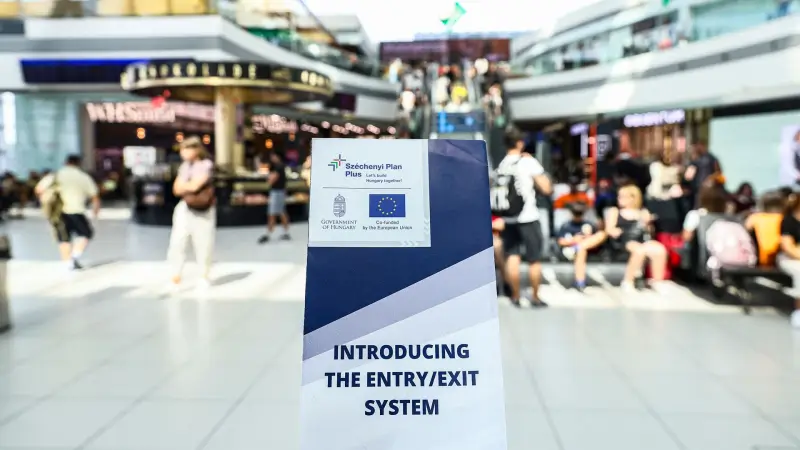
EU-LISA has started legal proceedings against IBM Belgium, Atos Belgium and Leonardo over delays in developing the Entry/Exit System (EES). The agency says the case concerns the system’s development phase and does not affect its current operation, which it describes as fully operational. For IT teams, the dispute puts a long-running, costly delivery problem on record while leaving the system’s present service status unchanged.
EES records fingerprints and photographs of travellers from outside the EU to track the length of their stays, replacing manual passport stamps for that purpose. Its deployment was delayed, and the rollout encountered operational problems including software glitches and fingerprint scanners that failed when users’ fingers were sweaty. Those issues contributed to lengthy airport queues, but EU-LISA’s legal claim concerns implementation delays rather than operational faults.
Contract dispute and court filing
The case involves the consortium that delivered the system under its original contract. EU-LISA’s annual report said the agency had activated contractual and legal remedies to protect its financial interests after delays by the consortium. It recorded that a claim was submitted to the Estonian Court on 22 December 2025.
The report said the proceedings were at an early stage and that the agency could not reliably assess the likely outcome. EU-LISA has since confirmed that proceedings have begun. Its spokesperson said the action was taken in line with the agency’s responsibility to protect the EU’s financial interests, while declining to discuss the case details because it is ongoing.
Letters between the companies and EU-LISA indicate that the disagreement over deadlines has been building for several years. The firms accused the agency of “ignoring reality” in setting new deadlines, while EU-LISA’s financial reporting described continuing problems with the consortium over both costs and delays. These competing positions frame a delivery dispute: the agency points to missed commitments and its financial exposure, while the companies challenged the deadlines being imposed.
The contract’s value rose from €142m to €212m in 2021, and the annual budget also increased. The available figures show the scale of the cost change, but don’t specify how much of the increase was attributable to delays or how the parties divide responsibility. Those details remain part of a case the agency says it won’t discuss while proceedings continue.
New suppliers have taken over
The original IBM-Atos-Leonardo contract was not renewed last year. Sword Systems, Netcompany and Sopra Steria took over this summer, shifting responsibility for the system’s ongoing work to a new group of suppliers. The legal case against the former consortium concerns the earlier development phase; EU-LISA says it has no impact on current EES operations.
That distinction matters for organisations monitoring the service. The dispute concerns delivery history and the agency’s financial remedies, while the agency’s current position is that EES is fully operational. The contract transition also means the named companies facing the case are no longer the suppliers under the renewed arrangement described here. The available information does not set out the new suppliers’ individual responsibilities or detail any changes to the system’s technical design.
Airport queues remain a practical concern
Although the lawsuit is separate from operational issues, the rollout has had direct consequences for travellers and airport operations. Passengers have faced long waits, and some have missed flights. The biometric checks apply to travellers from outside the EU, including people travelling from the UK.
Portugal temporarily suspended EES after queues at Lisbon airport reached seven hours. Nine countries were later allowed to delay introducing EES until January while the system was being brought into working order. These examples show how a digital identity system can affect the wider travel process: if enrolment or verification slows at busy checkpoints, queues can grow even when the underlying purpose is to record entry and exit information.
ACI EUROPE and Airlines for Europe (A4E) said last month that waiting times still reached five hours at peak periods and often exceeded two hours. Those figures describe the travel-sector groups’ account of waits, rather than a system-wide performance measure supplied by EU-LISA. For airport operators and service teams, peak demand and the reliability of biometric capture remain the practical pressure points described in the available reporting.
In September, when EES was supposed to come into full force, Ryanair chief operating officer Neal McMahon called the handling of the rollout “a shambles from start to finish” and said passengers should not have to “pay the price” for it. His remarks reflect the airline’s criticism of the rollout and its passenger impact.
For administrators tracking the programme, the key facts are that EU-LISA’s court claim targets development delays under the former consortium’s contract, a replacement group of suppliers has taken over, and the agency says EES is fully operational. The proceedings may clarify the financial dispute, while airport queue reports remain a separate measure of how the system is working for travellers during busy periods.


