EU Quantum Act Would Pair €50 Billion Fund With Post-Quantum Security Plans
- Nicole Kobie
- 784 views
A draft EU Quantum Act proposes €50 billion for quantum firms and measures to prepare for post-quantum cryptography. Deployment speed and private-sector readiness remain key questions.
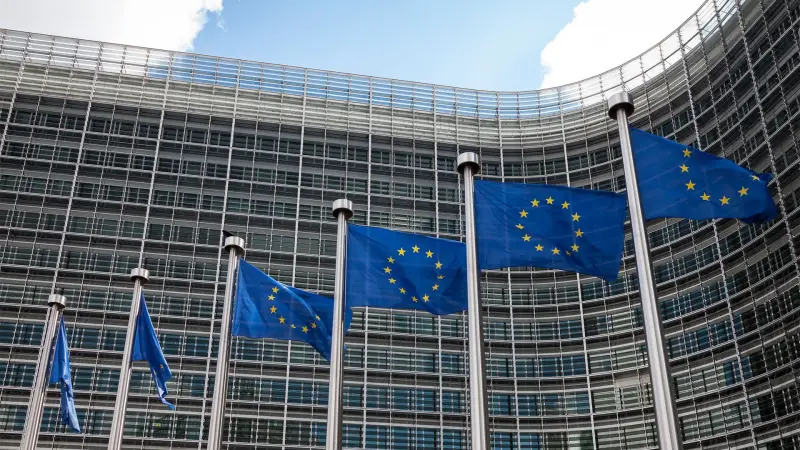
A proposed €50 billion equity fund could give Europe a much larger pool of capital for quantum technology, but the practical test will be how quickly it reaches companies and whether security preparation extends beyond public buyers. The European Commission’s draft Quantum Act links financing with research, business growth and preparation for the risks that quantum computing could pose to current encryption.
The proposal sets out a sovereign tech equity fund, or STEF, worth €50 billion. It also describes targeted funding competitions called Grand Challenges, including work on using quantum computing to address errors and navigation without satellite. The intended result is to help quantum companies develop and scale in Europe, while building the industrial capacity to manufacture and use the technology in the region.
From research strength to industrial scale
Henna Virkkunen, the Commission’s executive vice president for tech sovereignty, security, and democracy, said Europe wants quantum technologies developed, manufactured and used there. She also pointed to the region’s existing research and industrial base, saying that one third of quantum startups are located in Europe.
That presence gives the proposal a starting point, but it doesn’t by itself ensure that companies can raise enough capital to grow into major suppliers. The draft aims to address that gap through equity financing and a shared EU framework for research and company expansion. It also identifies supply chains and security as areas the plan should address.
The Act remains a draft. Further details are due to be considered by the European Parliament and council, so the fund’s operating rules, timing and route from proposal to deployment are not settled in the material available. For companies weighing where to expand, those details will matter as much as the headline amount: a large fund can support growth only when capital reaches firms on terms and schedules that fit their needs.
Virkkunen framed the wider goal as turning Europe’s quantum research into industrial capacity, strengthening critical supply chains and preparing for cyber risks linked to quantum computing. The ambition is to build on existing research and move toward production and secure use at scale.
Funding scale is only part of the test
The €50 billion figure is significant beside recent funding totals cited for quantum technology. European public funding topped €8.6 billion last year, with €1.1 billion in private funding. The comparable figures in the source put US public funding at €5.3 billion and private investment at €7 billion; China’s public investment was €13.6 billion.
Those amounts describe different mixes of public and private capital, so they don’t show on their own how much funding is available to each company or how effectively it is being used. Still, the comparison highlights the challenge for Europe: public investment has supported a strong base, while private funding in the US was substantially higher than the European figure cited.
Théau Peronnin, CEO of Alice & Bob, called the Act a meaningful step toward the emergence of a global technology company with European roots. He said the next question is how fast the proposed capital can be deployed to build momentum. For administrators and technology leaders, that pace will shape when Europe’s plans translate into products, suppliers and services that can be evaluated for enterprise use.
The fund also sits within wider European efforts to gain more control over digital infrastructure, including cloud services, data centres and AI. In quantum, the stated objective is to connect research and startup growth with manufacturing, supply-chain resilience and security preparation. How the final framework balances those aims remains to be seen.
Post-quantum preparation has a longer timeline
The security issue is already relevant to organizations that hold sensitive information for many years. A sufficiently capable quantum computer could threaten some encryption systems in use today. The EU’s explanation of the draft says preparation should begin before such computers become available, because changing cryptographic systems takes time and data collected now could potentially be decrypted later.
The draft also foresees the possibility of stronger requirements to speed up the move to post-quantum cryptography (PQC) if technological progress makes them necessary. The proposal therefore connects research funding with a future mechanism for accelerating cryptographic change. Its precise reach and timing will depend on the final text and any later requirements.
Jason Soroko, senior fellow at Sectigo, argued that the security risk has already begun through “harvest now, decrypt later” activity: data can be collected today in anticipation of decrypting it in the future. He said the draft’s security obligations largely focus on public procurement, leaving most private organizations without a requirement to act. That distinction matters for businesses that manage long-lived confidential information; a rule aimed at public buyers may not set a schedule for private-sector migrations.
Robert Hann, global vice president of technical solutions and Centre of Excellence at Entrust, described the Act as a positive step and said clearer milestones for adopting PQC could help organizations understand what to do and when. Those milestones are not yet final, since the legislation is still under consideration.
IT teams should track how the draft develops, while assessing which systems protect data that must remain confidential into the 2030s and how long their cryptographic migrations could take. The proposed fund may strengthen Europe’s quantum industry over time; the near-term security question is whether organizations begin planning before any formal requirements arrive.


