AWS re:Invent 2026: Storage, Bedrock and Amazon Quick in Focus
- [email protected] (Ross Kelly)
- 411 views
AWS heads into re:Invent with strong reported growth and a chance to show how its infrastructure, Bedrock and Quick fit enterprise AI plans.
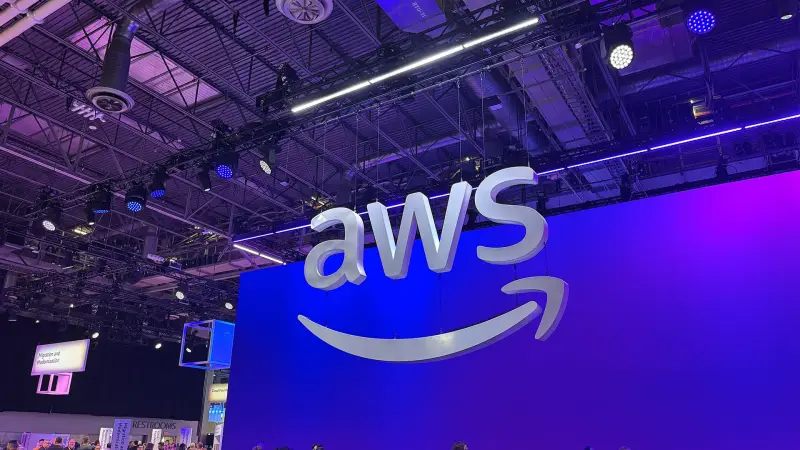
AWS has a practical case to make at re:Invent 2026: its scale and long-standing cloud services can support enterprise AI workloads while the company expands its model and agent offerings. The conference in Las Vegas gives AWS a chance to connect those pieces for customers weighing where to run AI and how to fit it into existing operations.
The timing looks favorable on the company’s reported figures. Amazon’s third-quarter earnings report, published in October, put AWS revenue at $45.98 billion, up 39% year over year and above analyst expectations. The company’s growth rate was its highest since the pandemic-era surge in late 2021, and AWS accounted for a record 23% of broader Amazon income. Those results strengthen AWS’s position, but the conference will need to explain how that momentum translates into useful choices for customers.
Infrastructure is part of the AI pitch
For enterprises, AI capacity depends on more than access to a model. Data must be available to the systems using it, and storage needs to handle the workloads at the required scale. AWS can point to the breadth of its infrastructure and its record with established services as part of that argument. Amazon S3 turned 20 this year, giving the company a long-running storage service to place alongside its newer AI work.
AWS introduced a set of AI-focused features at re:Invent 2025, then expanded its storage offering in April with Amazon S3 Files. The company describes S3 Files as the “first and only cloud object store” built specifically for AI. That wording is AWS’s claim; the more useful test for customers is whether the service fits their data access and performance requirements. The opening keynote is a likely place for AWS to explain how S3 Files works in its broader storage estate and what role it expects the service to play in AI deployments.
That detail matters because data readiness and infrastructure limits have been recurring subjects at technology events this year. Enterprises considering larger AI projects need to understand whether their data can be reached and used by the systems they plan to deploy. AWS has an opportunity to show how its storage services address that work, including the flexibility and scale it says customers can draw on. For IT teams, concrete information about service capabilities and how they fit existing environments will carry more weight than a broad claim about AI readiness.
Bedrock offers a choice of models
AWS’s generative AI response took shape in 2023 with Amazon Bedrock. The framework lets enterprise customers select from different AI models, including models developed in-house and those supplied by third parties such as Anthropic and OpenAI. AWS has built closer ties with both providers over the past 18 months, giving Bedrock a role as a route to multiple model offerings through the company’s cloud platform.
That choice is a meaningful part of AWS’s pitch. Customers can evaluate models for particular needs without treating a single provider as the only route to AI. Bedrock also gives AWS a way to tie model access to its existing cloud services, which may appeal to teams looking to build on infrastructure they already use. The practical question at re:Invent will be how AWS makes that flexibility work for customers choosing models, moving from trials to production, and managing the services around them.
Agents are another area to watch. In the past 18 months, they have moved from a much-discussed concept toward use cases that automate tasks. Bedrock AgentCore is likely to feature prominently during the three-day event. AWS will have room to describe how it expects customers to use the service and how agents relate to the models and applications available through its platform.
Amazon Quick puts AWS into the assistant contest
AWS CEO Matt Garman has repeatedly questioned whether AI will make established software products obsolete. His view is that conventional software and AI agents can work together, with agents adding capability to existing tools. He made that case in a May interview with Fortune, after Anthropic’s Claude Cowork helped bring new attention to agents designed for work in areas such as marketing, finance, data analytics and legal services.
AWS has also been developing Amazon Quick, a desktop AI assistant intended to connect people working across different applications, tools and data. Garman described Quick as a “huge business opportunity.” AWS made substantial changes to the product before its May reveal, but updates have been scarce since then. Re:Invent could provide a clearer picture of the assistant’s direction and how AWS intends it to stand out in a crowded market.
For IT managers, the question is less whether agents will replace familiar software outright and more how they will fit into day-to-day workflows. AWS’s argument depends on integration: if Quick and Bedrock agents can work with the tools and information employees already use, they could add automated steps without requiring every team to abandon its existing software. That depends on the details AWS provides about supported connections and how customers can apply the services.
My read is that AWS has three related themes to bring together: storage for AI data, Bedrock for model choice, and agent services for work across applications. Its reported growth gives the company a strong platform for that pitch, while competition from Microsoft, Google and specialist AI providers raises the bar for clear product distinctions. Customers should watch the keynote for specifics on S3 Files, Bedrock AgentCore and Amazon Quick, then compare those capabilities with the infrastructure and workflows they need to support.


