Next Says Supplier Data Breach Exposed No Customer Information
- Nicole Kobie
- 853 views
Next says a breach at an unnamed online supplier exposed limited company data. Its investigation continues, with no customer details found to be affected.
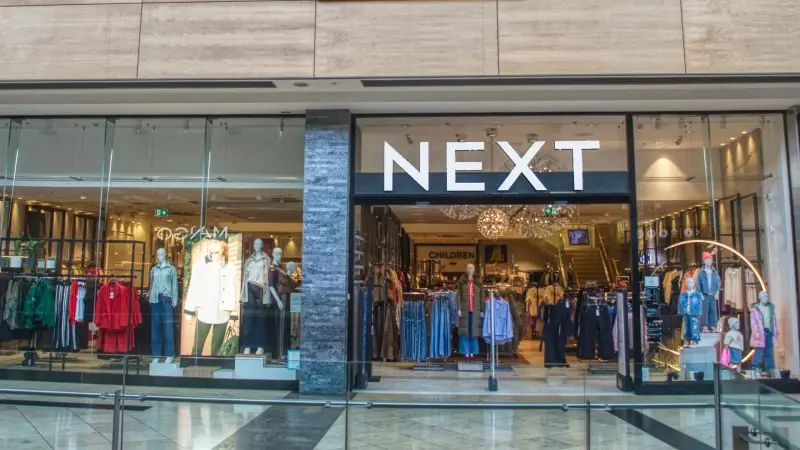
The main operational concern for Next is the security gap at a supplier, while the retailer says its own systems were not compromised and customer information has not been found in the exposed data. Next has described the material as limited and “benign,” but its investigation is still under way, so its assessment could change as forensic work continues.
The incident took place in the environment of an online supplier to Next, not within the retailer’s systems, according to a company statement. Next has not named the supplier. It said that an unauthorized party accessed certain data relating to the retailer, but the company’s current assessment is that the information cannot be used to commit fraud against Next or its customers.
Next says passwords, addresses and bank details were not exposed. It also reported no evidence that customer personal data was compromised. That distinction matters for customers and for teams assessing the incident: the reported access concerns information held in a supplier’s environment, while the retailer says its own systems remain unaffected.
What Next has confirmed so far
Next’s account is based on evidence gathered to date, and the investigation remains open. The company said it was confident its systems had not been compromised and that the incident remained within the supplier’s environment. It described the affected information as limited in nature and said its assessment found no way for that data to facilitate fraud against either the retailer or its customers.
Those statements set out the current scope, not a final forensic conclusion. Donnan Mallon, a threat intelligence analyst at Talion Cyber Security, said customers should remain cautious even though Next’s findings were reassuring. He noted that breach investigations can uncover a wider impact than initially understood. For IT and security teams, that makes the distinction between an early assessment and a completed investigation important when communicating what is known.
Next has not provided details about the supplier, the type of information accessed or how the unauthorized access occurred. The available account therefore does not establish whether the supplier’s systems were used to reach other environments, or whether any other organizations were affected. Those points should remain open until Next or the supplier provides further information.
Customer guidance: watch for incident themed scams
Next’s present findings do not indicate that customers need to change passwords or take other account steps in response to leaked customer data. The retailer says no customer data was found to have been compromised. However, cybersecurity specialists advise shoppers to stay alert for messages that exploit attention around the incident.
Mallon warned that threat actors can use publicity about a breach to target people with deceptive messages. Customers should be cautious with unexpected communications that claim to provide incident updates, request account details or direct them to a login page. Mallon advised Next customers to check for updates through the retailer’s own website. That gives shoppers a straightforward way to verify information without relying on links in unsolicited messages.
Alan Simpson, field CISO at Rapid7, also described the lack of evidence that customer data was taken as good news, while urging shoppers not to drop their guard. If Next revises its assessment, customers should look for clear details about what information was involved and whether any action is recommended. Until then, the reported facts support vigilance around suspicious messages rather than a claim that customer accounts have been exposed.
Supplier security remains a business risk
The incident puts a familiar challenge in focus: organizations can set controls for their own systems, but data shared with suppliers is also subject to those suppliers’ security practices. Muhammad Yahya Patel, vCISO and cybersecurity adviser for EMEA at Huntress, called the incident a reminder of supply chain risk for organizations of all sizes and across sectors. He said data can fall outside a company’s direct control once it has been transferred to a third party.
That gap affects how businesses assess and communicate risk. Supplier reviews and contract requirements can help teams understand how partners handle information, but they cannot establish that every partner is free of security weaknesses. Organizations need to know which suppliers handle their data, what information each supplier receives, and how they will be notified if an incident affects that information. The source material does not describe Next’s supplier controls or the terms of its relationship with the unnamed provider, so no conclusion about those measures can be drawn from the incident details available.
One report linked as many as 30% of breaches to third-party incidents, double the figure reported the year before. That estimate underlines why supplier exposure can matter even when an organization’s own systems are not breached. Its relevance to any one business will depend on what data it shares, the supplier’s access and the circumstances of an incident.
Retail incidents raise the stakes
Next’s disclosure comes amid a series of cyber incidents affecting British retailers over the past two years. Attacks involving Harrods, the Co-op and M&S disrupted operations. Analysis of the latter two incidents put remediation costs and associated financial losses at as much as £440 million.
Those incidents show why a breach’s consequences can extend beyond the data first identified as exposed. William Wright, CEO at Closed Door Security, said even an incident that proves minor would add to continuing pressure on the retail sector. He also warned that weaknesses at individual suppliers can affect other organizations, depending on their market share and exposure.
For now, Next’s stated position is that its own systems were not compromised and customer personal data was not affected. The practical next step for customers is to check updates through Next’s website and treat unsolicited incident related messages carefully. For businesses, the case is a prompt to map supplier access to data and keep incident communications tied to what the investigation has actually established.


